
Tag Archives: Film reviews

Joyland Review


This movie experience made me think about life’s questions, including those on pursuing connections and feeling connected. Joyland is a spellbinding film because of the deep and humanistic approach used by writer and director Saim Sadiq. His international achievement is successful because he knows how to portray characters with cultures and family values. Watching Joyland was invigorating due to its passionate story of finding realization in uncharted territory.

The story of Joyland takes place in Pakistan. The main character is Haider (played by Ali Junejo), one of the youngest siblings inhis family. Haider struggles with employment. Due to this, he takes a job with a Bollywood-style burlesque show as a backup dancer. He realizes that there is a lady, Biba (played by Alina Khan), who grabs his attention. Haider and Biba begin to connect and build a strong bond. The problem is that Biba is trans, but nevertheless the love between Haider and Biba grows. It is clear they have deep feelings for each other. However, due to cultural expectations and family values, Haider feels he will be hated due to his attraction for Biba. Fundamentally, hisfamily believes that men should fall in love with women and have children. While their love may be strong, how can Haider and Biba move forward?

As the tension rises with a renaissance of disturbing cinematography, it is clear that love is real for Haider and Biba. Their love for each other grows out of disconnect because both feel emptiness in their lives. When they find each other, they feel accepted.

With the role and norms of a traditional family taking a center role in the film, viewers learn this is also where the secrets of Haider and Biba lie. Haider is in a relationship with his significant other, Mumtaz (played by Rasti Farooq), and questions why his life is at a standstill. He also wonders if he is happy with Mumtaz. The tensions caused by dishonesty is where the film gets shaky with increased with increased turmoil.

Deep down, Joyland is a poetic ride that consists of frustration, disconnect, and confusion. The film’s writing is strong throughout. I felt sadness and aggravation as Haider and Biba find themselves at a loss about their situation. The feelingswhich come from love’s desire keeps the narrative direction flowing. I appreciated how the bond of love keeps growing with an emphasis on mindfulness and sensitivity. Biba is sensitive about being trans, and Haider is sensitive about loving someone who is trans. This fact does not change who they are as humans. What changes is how others perceive them. Regardless, both have a right to be happy.

Joyland is artistic in the way it shows the way love can come in unexpected moments, and with unexpected people. The film is also set in an interesting territory of different political and religious tides. Joyland soars with engrossing performances and filmmaking. This is one of the most touching and emotional films I have seen in a while. The chances of love surviving deliver hopefulness in Joyland. Four out of four stars.
Dumb Money Review


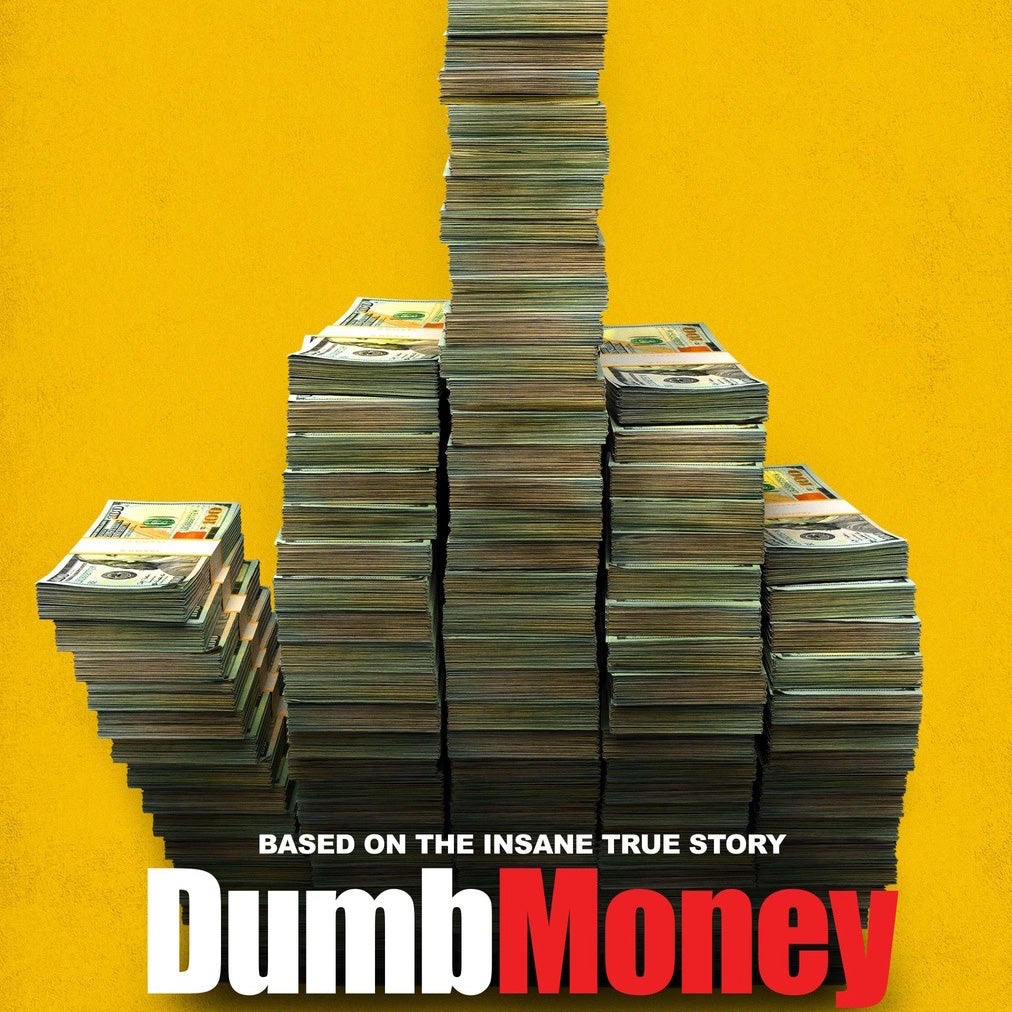
In this post-covid era there are still the ups and downs of the stock market, and the many curiosities of Wall Street. Dumb Money, directed by Craig Gillespie, takes place during the Covid era and it is an accurate representation of some of the most curious events that have ever occurred with the stock market.

The characters in Dumb Money range from wealthy, to middle class, to poor. It’s the story of how one man turned Game Stop into a high-value company and helped many people make a lot of money by manipulating the stock market. It’s an incredible film one that will grab viewers’ attention.

Dumb Money begins with Gabe Plotkin (played by Seth Rogen), Steve Cohen (played by Vincent D’Onofrio), and Ken Griffin (played by Nick Offerman), three wealthy businessmen with fancy homes, expensive hobbies, and excesses galore. They accumulated much of their wealth through stocks and they think they understand the stock market until, that is, Game Stop starts growing massively because Keith Gill (played by Paul Dano) is using social media and market strategies to convince people to invest in it. Keith begins to live stream and as his audience grows, so does the Game Stop stock.

Keith is a naturally gifted soul. He has a wife, Caroline (played by Shailene Woodley), and a brother, Kevin (played by Pete Davidson), who struggles to hold down a job and makes poor choices. Keith’s personality grabs the attention of others who take his market advice seriously. Those people include a Game Stop employee, Marcus (played by Anthony Ramos), and a lady who works in a retirement home, Jenny (played by America Ferrera).

As Game Stop increases in value the big wigs on Wall Street and the wealthy people who got rich from the stock market start getting concerned. Keith keeps pounding the message that people get ripped off a lot in our economy, and he tells people how to beat the fat cats at their own game.

Dumb Money is a film that is written with class and a sense of humor. It is a wild, inviting comedy with bizarre characters in serious situations. It is a monumental and unique masterpiece. Four out of four stars for Dumb Money.

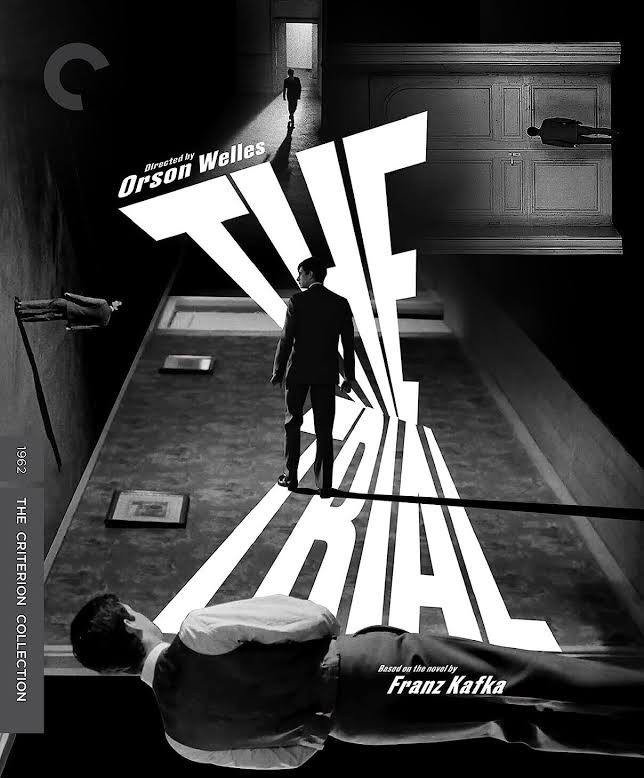
The Trial on The Criterion Collection: A cinematic masterpiece from Orson Welles


The 1962 classic The Trial is one of the most classic thrillers by Orson Welles. It is coming to the Criterion Collection September 19th. STUDIO CANAL and the Cinematheque Francaise took the steps to restore The Trial. Before this movie made it to the Criterion Collection, it had a 2015 2K restoration. There was also a restored DVD edition released in 2000. The restoration of The Trial is vivid with historic and cinematic grandeur. The essay (which comes with the Criterion version) goes in-depth about Welles’s fascination with the film and explains how The Trial was his special project filled with realism and faithfulness.The film is based on the novel by Franz Kafka, but Welles madeThe Trial a masterpiece. Welles sacrificed for The Trial, and it is seen through the Criterion Collection’s restoration of this invigorating story of suspense and deceit.

The reason that Welles is the hero of The Trial is because Kafka would not finish the writing of his projects. Both were visionaries but had different approaches. Welles was the artist of visuals, and Kafka was the creator of words. Kafka had an issue with committing to his craft. Welles committed to his craft but also had unfinished projects but fortunately he was able to reach completion with The Trial. To this day, the film has symbolic value due to its surreal characteristics.

The Trial focuses on Josef K. (played by Anthony Perkins) andbegins in the setting of his apartment. His morning begins with police inspectors informing him that he has been arrested. The police do not tell him why and therefore Josef assumes that maybe the conflict relates to his landlord, Mrs. Grubach (played by Madeleine Robinson) or his neighbor Marika Burstner (played by Jeanne Moreau). Josef keeps trying to explain his point of view to the authorities, but they continue to insist that Joe is the one in trouble. The black and white cinematography is effective in creating a pensive atmosphere as the life of Josef sees more darkness during the days his legal issues continue to follow him.

There are hidden underlying stressors in The Trial because Josef realizes those who try to help him may not be as honest either. With Josef’s career as a departmental assistant at a well-known company, his stress only gets worse. Perkins’ performance is where The Trial stands out as an essential classic in terms of dramatic character development in a very poetic film.

The film’s definition of trust is seen played out through the actions of Josef. His personal puzzle which involves the people around him paint a picture of how viewers think as they watch The Trial. Josef’s Uncle Max (played by Max Haufler) comes in to help. He helps Josef find his advocate, Albert Hastler (played by the legendary Orson Welles). Then there is the advocate’s mistress, Leni (played by Romy Schneider). There is also Hilda (played by Elsa Martinelli), the wife of one of the commission guards. Finally, there is Irmie (played by Naydra Shore), Josef’s cousin. Each person is someone that Josef must choose whether to trust. Some can help him put the puzzle together to find peace. Some betray him. Josef is still not told why he is under arrest. In the end, he must choose for himself how to put the strange and shady puzzle together to prove he is innocent.

The Criterion Collection’s restoration had amazing authenticity. My head was spinning with questions as I became hooked on the grandeur of this cinematic adventure. Is Josef’s help really of help? Is Josef’s case a growing conspiracy of unknowns? Is there more than meets the eye in the revelations of The Trial? This restoration offers a clearer and more faithful portrait of Josef’s Kafkaesque nightmare that is never-ending and triumphant. The Trial from the Criterion Collection is historic Welles at its finest. Four out of four stars.