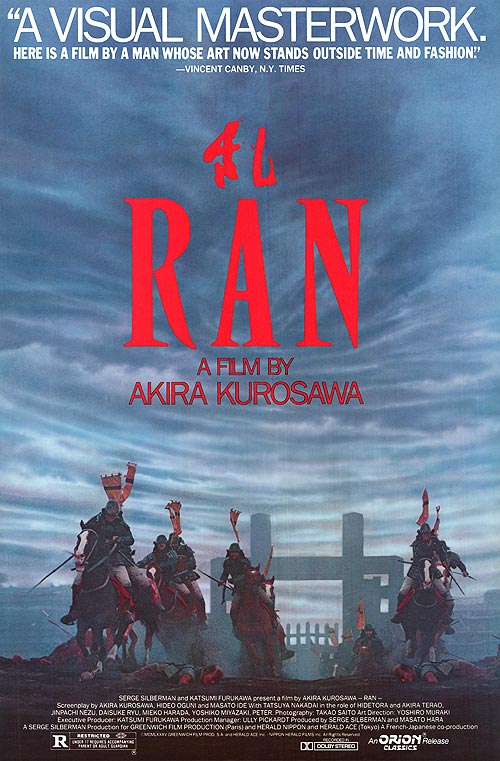
Ran review (in 35 mm projection)


Ran Reviews - Metacritic

Many samurai films lean towards culture, respect, tradition, and honor. Akira Kurosawa’s 1985 masterpiece Ran has all those elements, but with many brilliant and irreparable consequences. Corruption and power are where the individuals involved with the inner conflict clash with tension and violence. Kurosawa had a reputation for being an involved director with his cast and crew. He would be working with those he had a positive relationship with around his filmmaking. Ran has a numerous amount of in-depth and stunning acting between its protagonists and antagonists, and that is because of the brilliance of Kurosawa’s directing styles and routines. Ran is a genre of action, drama, and war that had me on the edge of my seat in its 35 MM screening at Music Box Theatre of Chicago.

The film takes place in Medieval Japan. A Japanese warlord Hidetora Ichimonji (played by Tatsuya Nakadi) is about to retire and divide his fiefdom with his three sons. The eldest is Taro (played by Akira Terao), the middle one is Jiro (played by Jinpachi Nezu), and the youngest is Saburo (played by Daisuke Ryu). Taro and Jiro respect their father’s wishes going forward with his decision. For Saburo, he makes issues go awry. Saburo believes that forces his brothers and him will not be on good terms going forward. With anger, distraught, and confusion, Hidetora bans Saburo. As the time goes by though, Hidetora comes to realize that Taro and Jiro are self-centered, and it becomes obvious they will not respect their father’s wishes. With the disbelief and growing conflicts, a war begins, and Hidetora believes that Saburo is the only hope to save him from the catastrophe.

The experience in 35 MM made me feel immersed with the Medieval Japan era. With digital nowadays, the films take up a certain portion of their screens, but with 35 MM it takes up the whole screen. The mountains, and the castles, and the battles were all a vibrant and nostalgic experience through the eyes of a Kurosawa’s monumental achievement. The experience was spellbinding. I was hooked on being in curiosity of which new scenery the film would take me to.

For true Kurosawa fans (if they know him well), they can tell the film is set and directed in his artistic vision. That is because he edited his own films (including Ran). That is why many of the important moments with conversations, fights, and tension are visually enthralling. Kurosawa was a director that wanted to keep working on his films until they were done to his standards of excellence. There is excellence in all his classics.

This was an experience that was an honor to have in 35 MM. Many films like this many do not think about watching in the cinema. They may be restored on DVD or in a streaming service, but the ambience is there with it in its print from its year it was released. I loved Ran and any Kurosawa film that can be seen on the big screen is worth it. Four stars.

A Quiet place part ii review


A Quiet Place 2' Release Date Delayed Over Coronavirus | IndieWire

Sequels are usually hit or miss, not this time. While some sequels are disjointed and lack continuity from the previous film, A Quiet Place Part II takes the suspense to another level.  John Krasinski, who stars and directs, has a brilliant and creative vision for a story of survival in a setting with little to no resources, and even less places to hide.  The intensity of A Quiet Place Part II builds through many audible suspense moments that had me on the edge of my seat, wondering what danger is ahead and who is going to survive. Emily Blunt, Krasinski’s wife and co-lead, delivers a knockout performance in this second installment and is the key to the film’s chance of survival at the box office.

Picking up from the devastating impact the events of the previous film had on the Abbott family, A Quiet Place Part II follows the protagonists as they lose their home and shelter to the monstrous creatures that are sensitive to sound. Evelyn (Blunt), Regan (played by Millicent Simmonds), and Marcus (played by Noah Jupe) embark on the road in search of a new shelter.  Complicating matters are the cries of the infant child accompanying them, an unforeseen difficulty in a world where predators stalk their prey by sound.  There is hope though as they come across Emmett (played by Cillian Murphy). A Quiet Place Part II becomes an epic tale of resourcefulness as the group struggles to remain quiet and survive, aided by Regan who is deaf and uses sign language, a critical tool in the constant struggle for survival.

What spoke to me the most about this sequel is the use of sound.  There are many moments where fragments of sound can mean danger; the subsequent silence can be equally as frightening, with a jump-scare moment waiting to happen. Krasinski’s directing is purely calculated on these jump moments that paint the environment of A Quiet Place Part II as a dichotomy of sound and silence, survival and death. The expanded suspense of the characters leaving the safety of their home for the road opens doors for more questions about the best strategies for survival.

This film’s ambiance is truly best experienced in large formats. I saw this in IMAX and the use of silence made me feel like the absence of sound was itself like a character on screen, constantly signaling the acquisition of safety and the arrival of danger. I could feel the return of sound during the suspenseful payoff scenes; the atmosphere would be reverberating, and I felt I was truly immersed in the apocalyptic and creative world created by the vision of John Krasinski.

This suspense film is just brilliant, especially for a sequel. After a year and half delay due to the pandemic, A Quiet Place Part II was well worth the wait. For fans that loved the first movie, the sequel will not disappoint, with the many audiovisual elements of A Quiet Place Part II winding a path of excitement, fear, and curiosity. Four stars for A Quiet Place Part II.

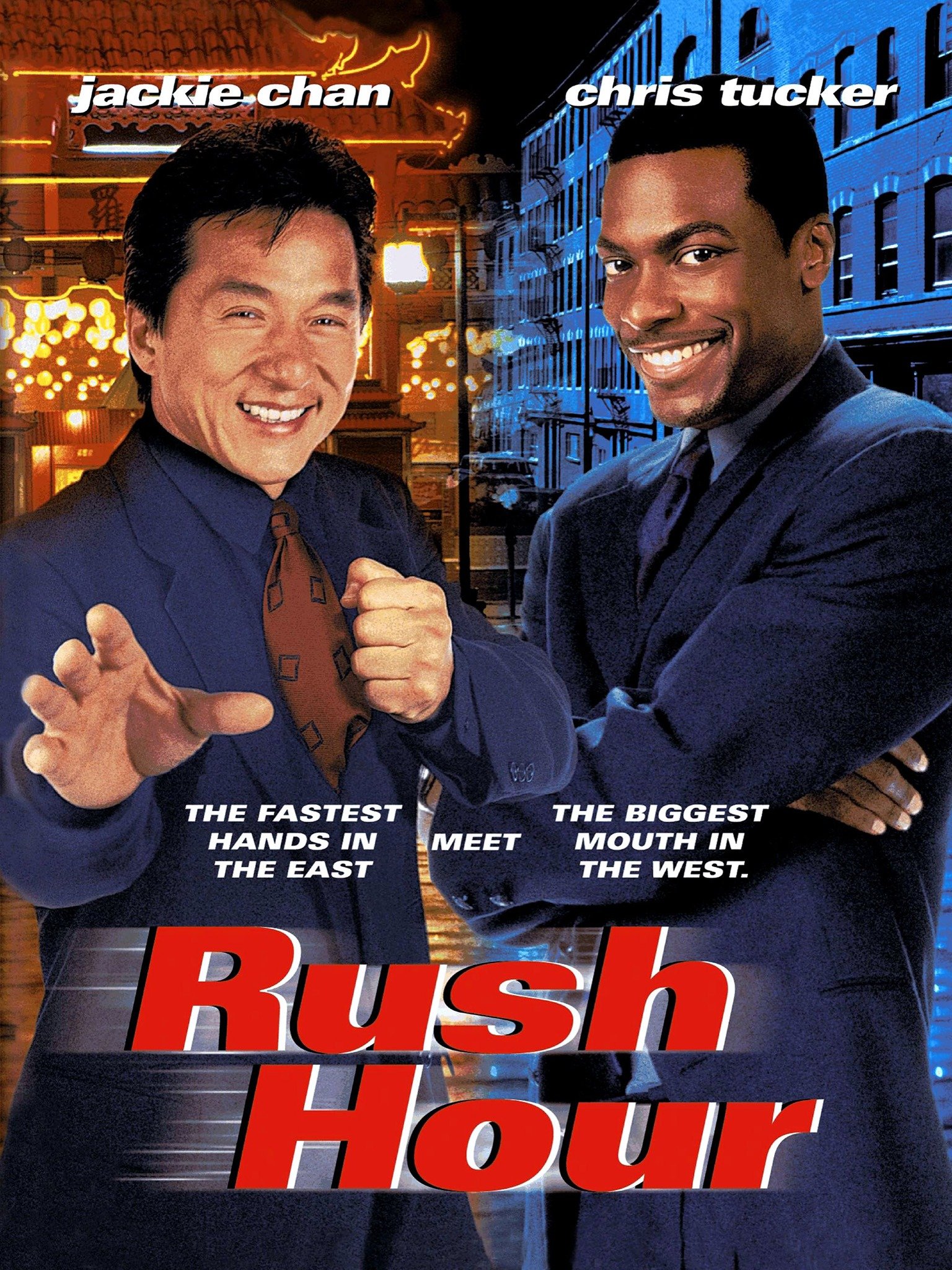
Rush Hour Review (A Garden Film Experience at the Music Box)


Rush Hour (1998) - Rotten Tomatoes

The best part about this summer is the continuation of the creativity to experience classics. I saw the 1998 comedy and action flick Rush Hour outside in the Music Box Gardens lounge of Chicago. What made this experience nostalgic was that it felt like watching a film in a drive-in atmosphere, but instead with tables outside and a screen right in front of us in the outdoors. I loved laughing with many of the other cinema aficionados who was watching this film as well. I also felt like I was brought back to the era prior to how advanced our technology is. The funny moments between Jackie Chan and Chris Tucker were such pure joy, and I have not laughed that hard to Rush Hour in ages.

To recap the plot of the film, Rush Hour gears on Lee and Carter (Chan and Tucker). Lee is an inspector and Carter is a detective. Lee is calm and goes by the rules, Carter (on the other hand) is obnoxious and reckless as a detective, and thinks he is a hot shot. They are both paired up to rescue a Consul’s kidnapped daughter and take down a dangerous crime lord. However, as their mission goes further, Lee and Carter learn a lot about each other and have their witty moments. Lee teaches Carter many tactics, and Carter does the same for Lee. That is where the film is hysterical and entertaining, because it is culture clashing and it is a joyride of laughs. The laughing outside made all the fun echo around the garden of the Music Box.

This is the type of film experiences that are still awesome to have (even post-pandemic). That is because it makes many of us have a chance to experience our favorite cult-classics for a second time, or even the first time. I have Seen Rush Hour before, but this still felt like a first, because I never saw this in a cinema. The outside experience felt like a treat. The entertainment was endless.

This is the year to be back in the cinema scene (while being safe). Music Box has had such a creative team behind what cinema enthusiasts love, and how they can still love cinema when resources are limited. I am also excited for the many events that Music Box has planned throughout the coming months (both outside and inside). I had a fun time with this classic. Three and a half stars for Rush Hour and a night of cinema entertainment.

Treating cinema in many forms of art!