Tag Archives: Documentary

Naza Review


The brutality of real-life events hits hard with Naza. This is probably one of the most thought-provoking, yet hard to watch films I have endured this year. With the reflection on war in Iran and Gaza, the real-life events continue today. The film is only eighty minutes, but every second feels like a moment of searing truth. It is a film that is hard to watch, but also spellbinding.That is because everyone who is interviewed is anonymous, but they tell their side of the stories of the destruction happening in Gaza. Directed by Yuval Abraham, he is the one who conductsthe interviews. The film has gotten a lot of attention in festivals ranging from the Venice International Film Festival, the New York Film Festival, the Zurich Film Festival, and more—the importance of context is what makes it hard to not look away.


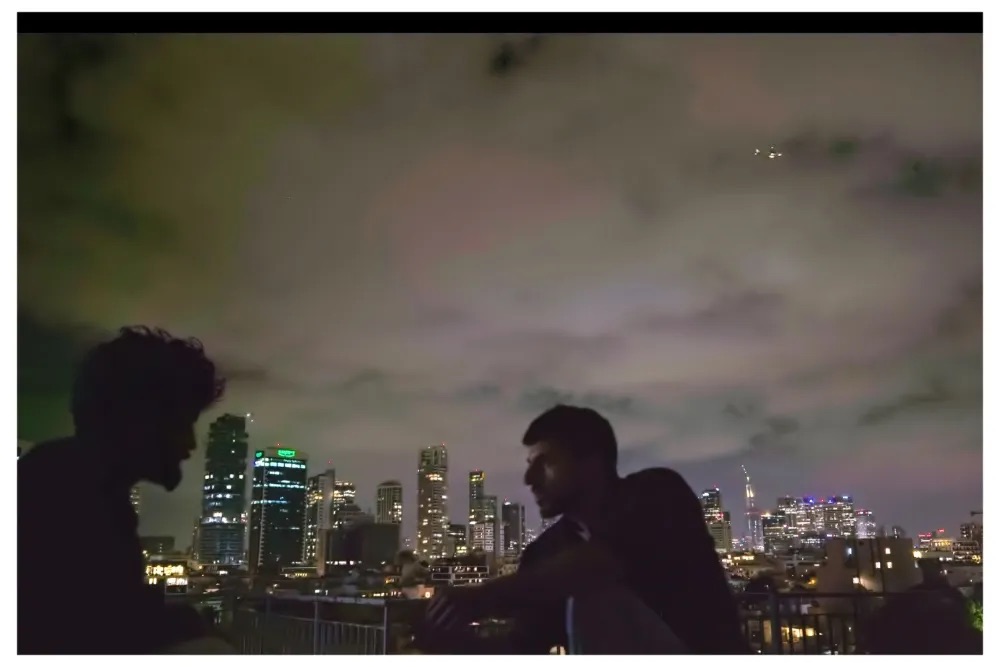
There is no easy way to explain Naza. It is all around controversial and each word from the interviews made me linger in sadness and frustration. At the same time, hearing the truthfelt like a revelation. That is because it made me think of how those being interviewed feel about their choices, and what role they play in it. Abraham captures all the moments and is deep-in-thought with the many responses he receives from his many questions. He conducts his interviews on a rooftop building in Tel Aviv, and all of them are done at night. The words he hears will change lives around the world. The topic of massacres, politics, and all is what makes Naza controversial, but also a breathtaking ride where irreparable consequences cannot be undone.


Yuval Abraham captures a lot of information about why the attacks happen and why particular populations are targeted. Much has to do with private home settings, and class of people. There is a scenario of a demographic that feels scientific with data. Without sharing much info, I will say there is a geographical monopoly—regions are targets for reasons and unfair advantages. This is where there is a political point of discord that I felt during Naza. Even though I felt saddened by what was discussed, the honesty throughout the interviews continuously shook me and was a hit of reality.


There is a moment that goes back to Gaza in 1970—an era when phones were becoming a technological amazement in that region. That moment makes us think about how much phones can do for families. However, many years later, the tracking of them can have many purposes—including negative ones. The thought of technology used to target and kill is the sad connection in Naza. The ability to track individuals is the advantage that has a deeper meaning of harsh news. It can be unbearable.


The night effect makes the film feel that the darkness has a bigger purpose, it creates the feeling of solitude. It is a safe time and place for red flag scenarios to be discussed. The rooftop interviews have a vividness to them that makes one wonder who else might be watching or listening. Magnificent elements of darkness with no limits and real truths are why Naza is one of the best films of 2026. Three-and-a-half out of four stars.



The Messenger of Joy Review


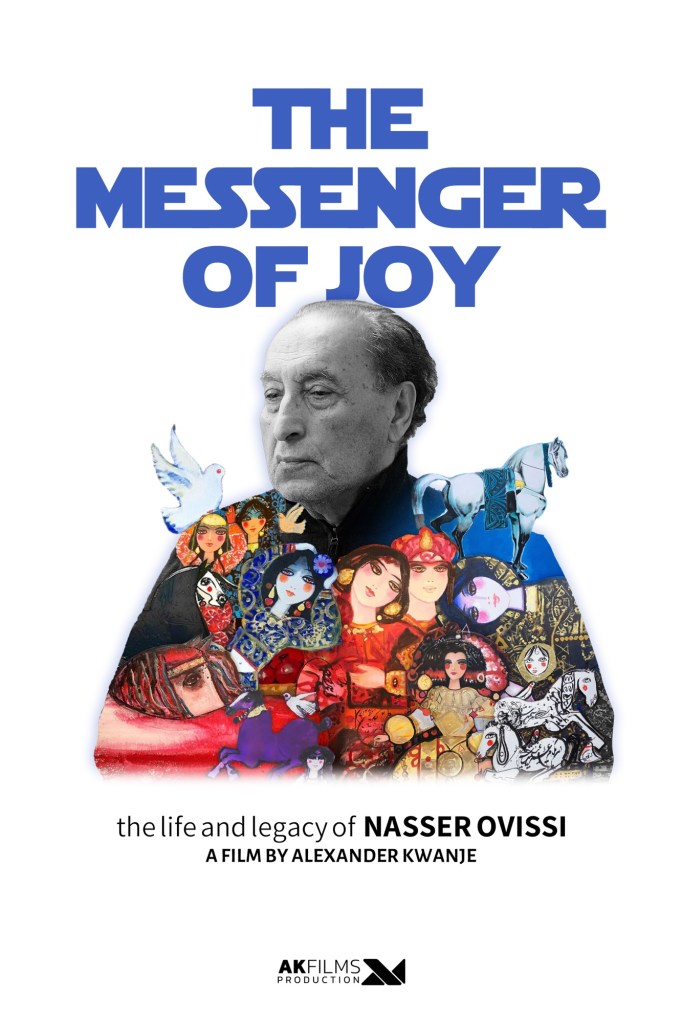
Artists have moments in their life that inspire their art and create unique languages. The inspiration often comes from important life events and cherished memories. The Messenger of Joy delivers cinematic wonders in the form of a documentary. Written by Mohammad Saeidian and directed by Alexander Kwanje, The Messenger of Joy takes a breathtaking look at the life and legacy of the Persian Painter Nasser Ovissi who impressed the world with his many works of art. The documentary weaves together elements of the different eras of his life. 

The prime focus of the film is the depictions of women and horses in his paintings. Throughout the deep journey, there are interviews with people he has worked with and some of his children. They all provide context around why his paintings borers semblances. Nasser’s art takes audiences to new places and is described by the words of those who worked closely with him. 

During The Messenger of Joy, art’s landscape is depicted with realistic essence. Nasser elaborates on how art was not that supportive in his life. He frequently discusses inspirations from his own youth which encouraged him to grow as a stronger painter. The documentary highlights Nasser’s creative worldwhile also including some dark moments from the past. The film peeks into the devoted mind of an artist who works his fingers to the bone to create beautiful pieces depicting civilization, history, and life events. There is a vivid portrait and meaningful message in The Messenger of Joy.

The fascinating results of the artist’s efforts come across as poetic. There is a layer of empathy in each moment of The Messenger of Joy. Various scenes are deep, like one in which he attends a college lecture which is shown from the eyes of an artist. His movements and strokes are what creates the imagery that is instilled throughout The Messenger of Joy.

There is the compelling quote from the film, “Invent a new landscape.” That sets the tone which makes this film, which is just over an hour long so moving. Abstraction is also a vivid element in the story, because every piece of art is developed from a specific context. Throughout the reflections shared, The Messenger of Joy is like taking a ride in the mind of a seasoned artist. I felt like I was floating in the mind of Nasser Ovissi and joining him in a time machine revisiting his eras of trial and error. The documentary dives into sensitive topics ranging from interpersonal dynamics to personal identity. At the same time, both good and bad experiences remind audiences that great things can be achieved through stellar ambition. 

The scenes in which Nasser speaks are sensitive. Because he is now elderly, capturing his thoughts on sacrifice and struggles is touching. It causes the audience to appreciate and honor a man who devotes himself so completely to a craft he loves even while dealing with hard aspects of his life. There is so much beauty and so much joy in this authentic project from director Alexander Kwanje. Four out of four stars for The Messenger of Joy.

Lorne Review


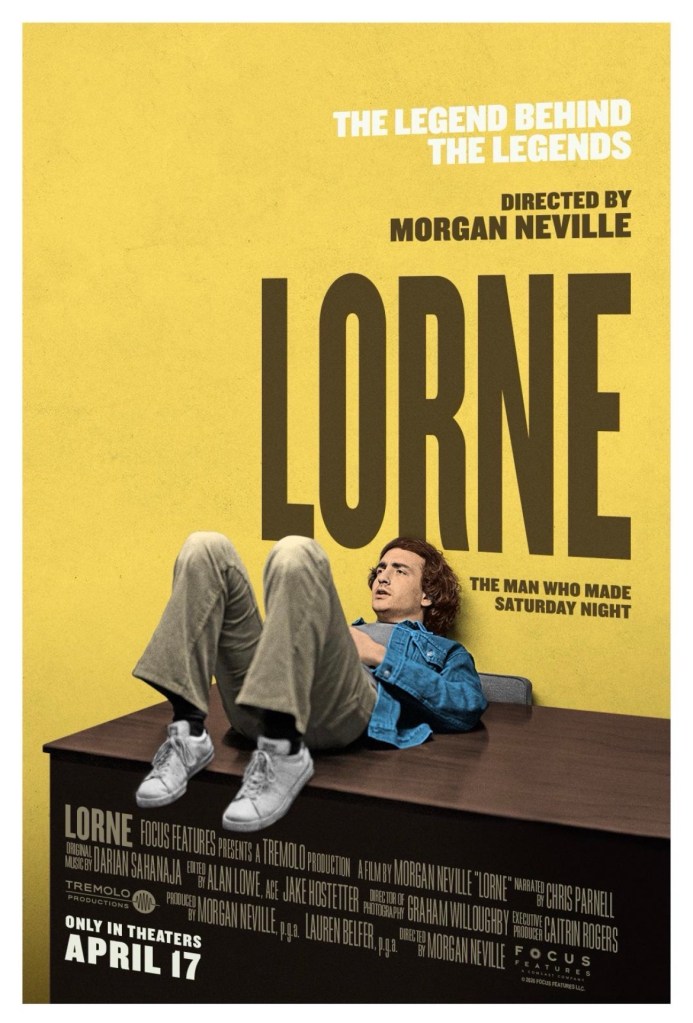
I have always been curious about what makes Saturday Night Live so lively and successful. I am a millennial and remember my parents always enjoying it on those weekend evenings. I even remember falling in love with the many unforgettable skits and sketches. What I did not know though, is that so much of it comes under the control of one man. Lorne is an absolute treasure of a documentary. Directed by Morgan Neville, there is a rich backstory of the world of television and finding an audience—the structure of continual change delightfully fulfilling. Lorne Michaels is the man behind all the angles of Saturday Night Live.

The first question that comes from the film is, “What is funny?” There is frequent portrayal of the serious business side of comedy presented in Lorne. Lorne has been around Saturday Night Live since it all began and the structure of his life is what defines the pattern of how the show runs today. The film brings back tons of nostalgia with a lot of compelling voices. The quote that defines Lorne frequently is that he is, “A creature of habit!” That element is in the weaving elements of this strong and profound documentary that I find truly special.

The level of prestige is what Neville is amazing at capturing. He knows how to grasp what is real about an individual. The narrative set to be so strictly around Lorne is where I found the backstory of Saturday Night Live compelling. Lorne is a film that carries  a prestigious list of contributors to the setting. There are many interviews with Mike Myers, Colin Jost, Jimmy Fallon, Dana Carvey, and more. They mention moments of his routine. Moments where shows have had ups and downs—the realism of what makes Saturday Night Live today feel as present as ever in Lorne.

The fact that Lorne Michaels was a man that was trying to fill a late-night slot is the aspect of what had my mind so driven for more information with Lorne. I was thinking so much about how audiences were more in tune in the era before personal computers and cell phones– in a time frame where television was just making the rounds. The “creature of habit” tones keepstreaming through the attitude of Lorne. Audiences will see his patterns, his moments, and his personality.

As the documentary continues to capture interviews from current and former members, audiences get a better idea of why Saturday Night Live continually evolves. The landscape of reality is surreal in Lorne. The fact that sacrifices and unfairness are all part of the game in the business side of creating an entertaining show comes through in the narrative. With the show’s colorful writing more context continues to unfold in the evolution of Lorne and the series himself. There is just a humanistic aspect that feels special to me.

It is mesmerizing, breathtaking, and historic. Lorne is a reminder of what talent can bring to the table when there are the many dynamics of show business and the right-thinking process involved. This gem has a flow of continuity to recreate a time and era of comic gold. Former cast member Tina Fey states, “You have to find a lunatic writer and put up with them!” Astatement saying it all– that tolerance of talent can be rewarding. Four out of four stars for Lorne.